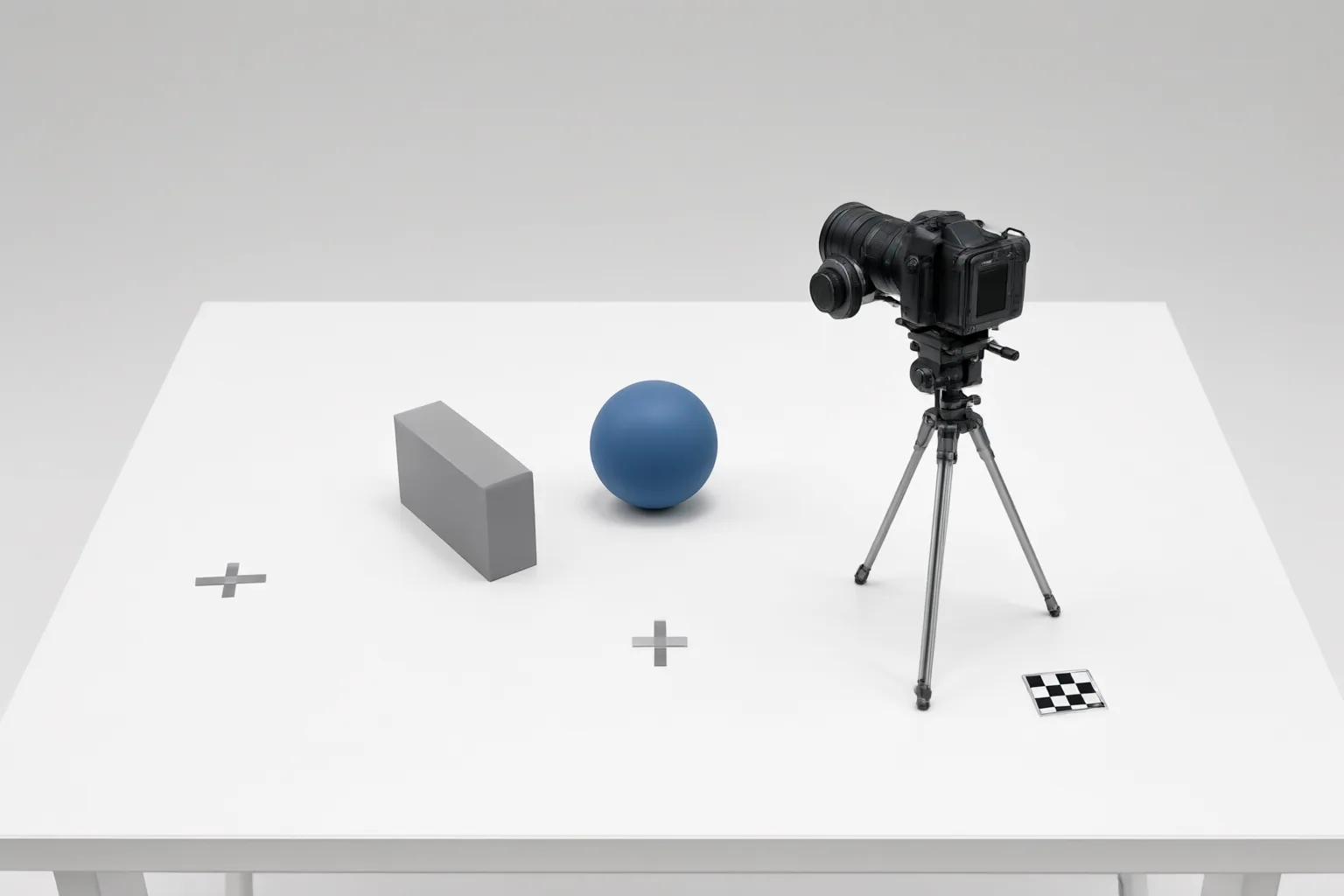
Test AI object tracking with a short clip in which a target becomes hidden or leaves the frame and then returns. Compare the attached edit before disappearance and after re-entry, recording whether it preserves placement and identity or instead stops, drifts, jitters, or switches targets.
Build a Controlled Occlusion and Re-Entry Test
Choose a short clip containing a clearly identifiable target that becomes fully occluded or exits the frame before returning. Attach a visible overlay or mask so tracking behavior is easy to inspect. Mark checkpoints immediately before the target disappears and immediately after it re-enters. At both points, note the overlay’s position and its association with the intended object.
Run the tracker through the whole sequence without correcting it during the first pass. This exposes whether continuity survives the period of visual absence. The procedure is a practical synthesis of tracking continuity and correction requirements, not a standardized benchmark. Its purpose is to make repeated tests easier to compare.
Check Placement and Identity After the Target Returns
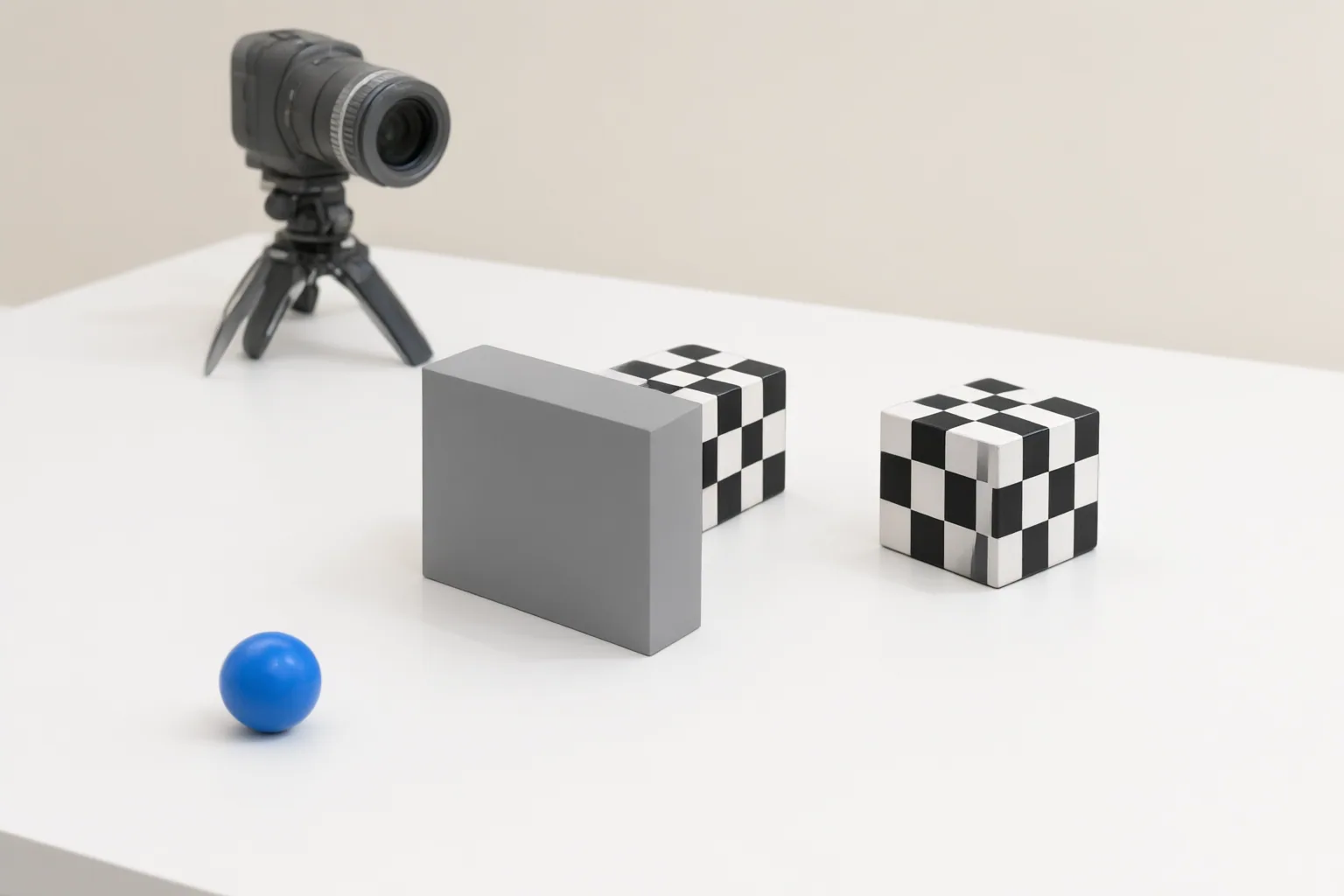
First, determine whether the overlay resumes on the original target. A new identity assigned after reappearance breaks continuity, even if the returning object looks similar. This matters when masks, text, or other edits must remain attached to one object throughout a sequence.
Next, inspect placement frame by frame around the return. Record whether the track stops, drifts away from the target, jitters, switches to another object, or correctly resumes. These observations form a practical checklist rather than a standardized scoring system.
The sources describe motion prediction and appearance-based re-identification as complementary mechanisms. Prediction can estimate a target’s location while it is hidden, while appearance-based association can help recover its identity once visible again. Methods discussed in the supporting material also include optical flow, Kalman filtering, and deep-learning trackers. These categories explain what may contribute to recovery, but they do not establish how any particular commercial editor will perform.
Repeat the Test Under Harder Tracking Conditions
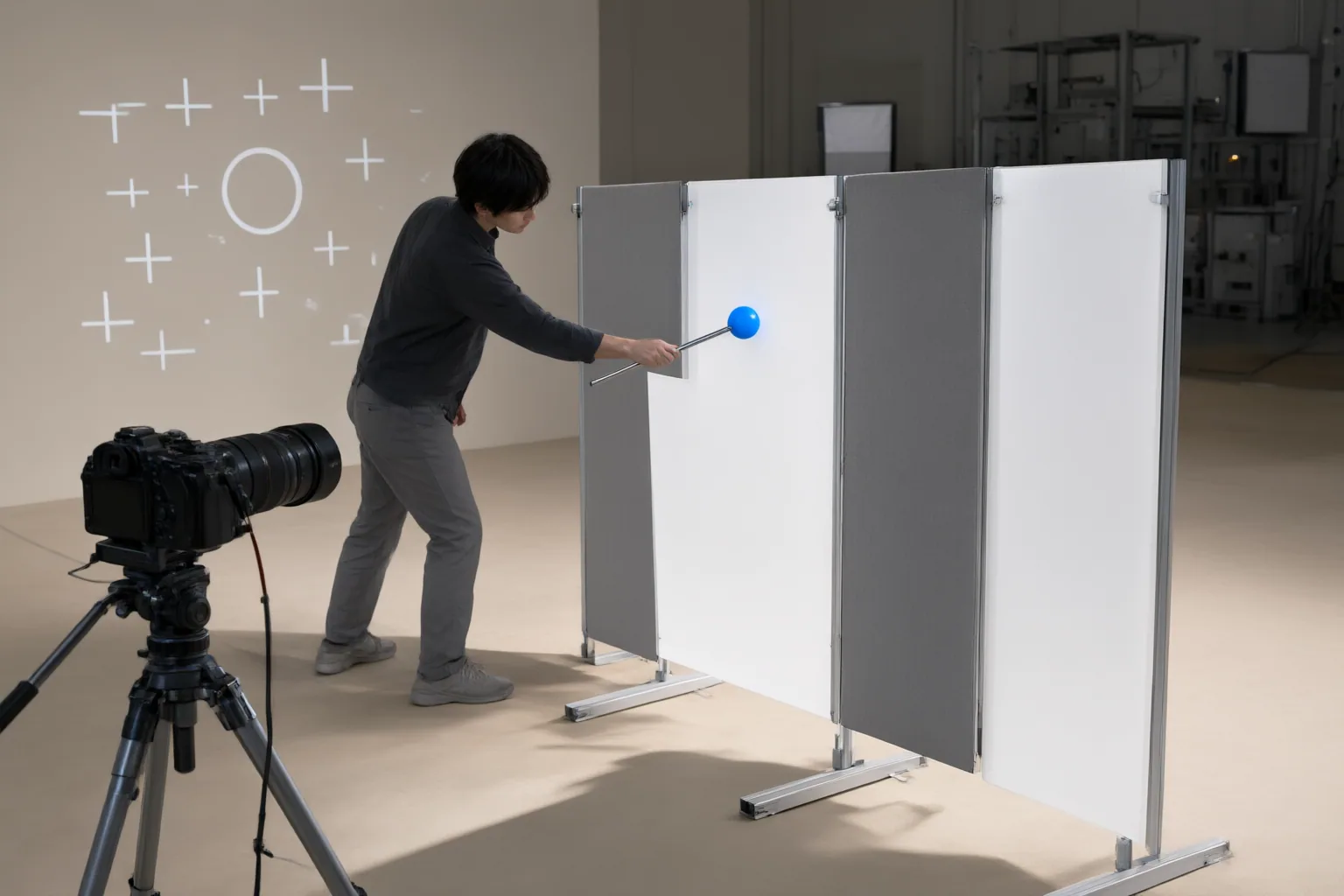
Repeat the same procedure with several challenging conditions: rapid motion, a change in the target’s appearance, full occlusion, complete frame exit, and scenes containing similar objects. Each condition can make position tracking or identity association more difficult.
Keep the observations consistent across every run. Record whether the track stops, drifts, jitters, switches identity, or resumes on the intended target, and note where manual correction becomes necessary. Consistent observations make workflows easier to compare without turning the exercise into an unsupported performance ranking.
Automated label propagation can reduce frame-by-frame work, but the cited annotation workflow still requires human review and correction. Manually labeled keyframes with interpolation provide another reference point for understanding where edits may need intervention.
Conclusion
A useful tracking evaluation asks four questions: Did the edit remain stable before disappearance? Did tracking recover after re-entry? Did it reconnect to the original target? How much manual correction was required? Together, continuity, identity recovery, overlay stability, and correction workload provide a practical basis for evaluating a workflow. Run the test on a representative short clip, document every drift, stop, identity switch, and recovery, and compare the required correction work before choosing a tracking workflow.
Disclosures and limitations
- This article was prepared with AI assistance and synthesizes the supplied browser-acquired research sources. The test procedure is a practical editorial synthesis, not a standardized benchmark, product performance test, affiliate endorsement, or product recommendation.
Sources
- GitHub – FastTrackOrg/FastOcclusion: Deep Learning model to solve occlusion — GitHub
- AI Video Motion Tracking: Follow Subjects Accurately in Edits — reelmind.ai
- Tracking the Unseen: An Occlusion-Robust Framework for Target Tracking Under Full and Long-Term Occlusion — arxiv.org
- Video Object Tracking: How to Annotate and Track Objects Across Frames — Labellerr AI
- Stop Frame-by-Frame Editing! 2026 AI Object Tracking: Let Effects Follow Your Creativity | Video Weaver — videoweaver.app
- Object Tracking using OpenCV (C++/Python) — LearnOpenCV – Learn OpenCV, PyTorch, Keras, Tensorflow with code, & tutorials
- GOT-JEPA: Generic Object Tracking with Model Adaptation and Occlusion Handling using Joint-Embedding Predictive Architecture — arXiv.org
- Learning to Track Object Position through Occlusion — arXiv.org
Improve this guide
Report a problem or suggest the next question
Submissions enter a private editorial queue. They are reviewed and deduplicated before any public update or new page is created.