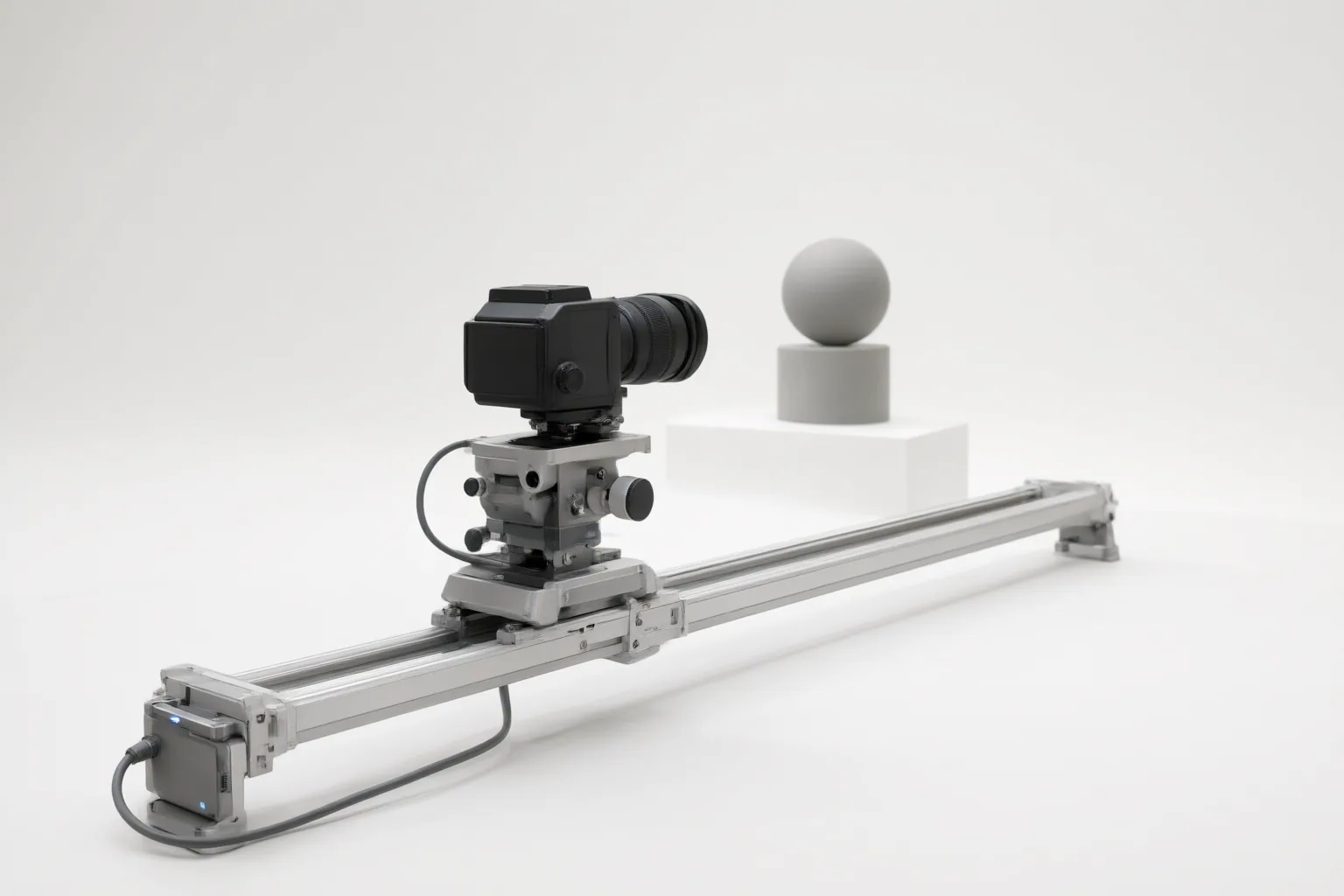
A named pan, tilt, or dolly control shows the intended move, but it does not prove that repeated generations will preserve the same path, timing, framing, or subject behavior. Evaluate consistency with a documented series of matched generations before relying on a control in production.
What a Camera Motion Label Does—and Does Not—Tell You
Motion labels are useful for identifying the direction a tool intends to offer. For example, Higgsfield lists separate presets for Pan Left, Pan Right, Tilt Up, Tilt Down, Dolly In, Dolly Out, Dolly Left, and Dolly Right, plus more complex options such as Dolly Zoom and 360 Orbit.
That menu confirms the availability of named controls, not their repeatability. A usable production move may need to maintain its direction, path, pace, starting composition, ending composition, and subject behavior across multiple generations. Traditional motion-control photography provides a helpful reference point because it emphasizes precise camera movement and the ability to repeat a move for separately filmed elements and compositing. Apply that principle as an evaluation standard, not as evidence that an AI preset will perform the same way.
Build a Repeatability Test for AI Video Moves
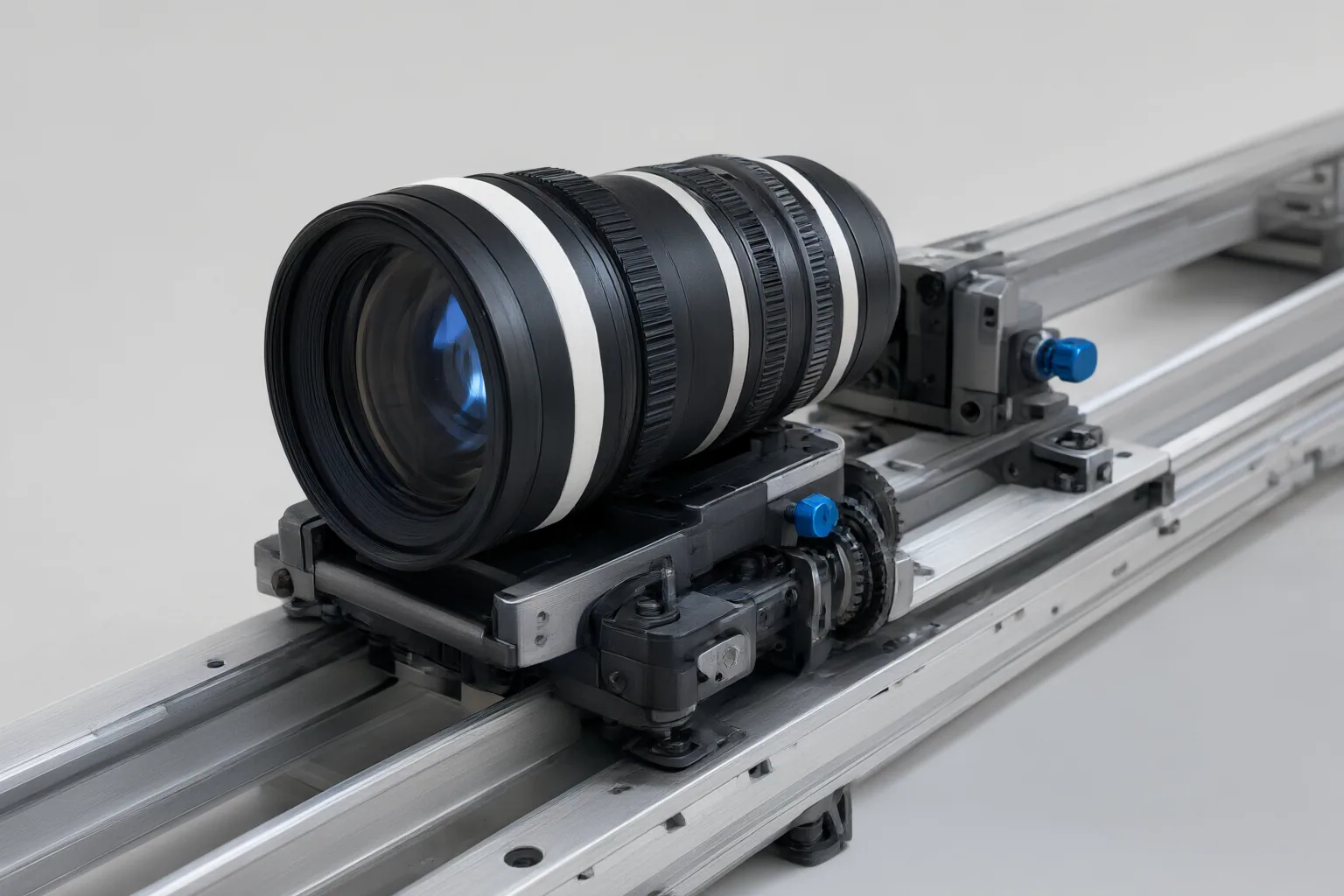
Start with one representative source image and one clearly written prompt. Keep the duration, aspect ratio, selected motion control, and every other available setting unchanged. Generate the same shot several times, preserve the inputs and settings used for each run, and compare the outputs side by side.
Review each result for the intended direction, the apparent path, movement speed, and start and end framing. Also look for background drift, unexpected reframing, and changes in the subject’s position or appearance. If a tool exposes speed choices, test one speed at a time; physical systems illustrate why this matters, with Grip Gear documenting nine speeds ranging from real-time movement to timelapse. MRMC similarly presents precision and repeatable moves as important properties of robotic camera systems.
Record differences rather than reducing the test to a simple pass or fail. A control may be acceptable for a standalone clip yet unsuitable for matched edits or compositing if its endpoint, timing, or background varies materially. The supplied sources provide no controlled benchmarks of AI-video repeatability, so the results of your own fixed-input comparison should determine whether a control is dependable enough for the intended workflow.
Judge Complex Moves and Answer Two Common Questions
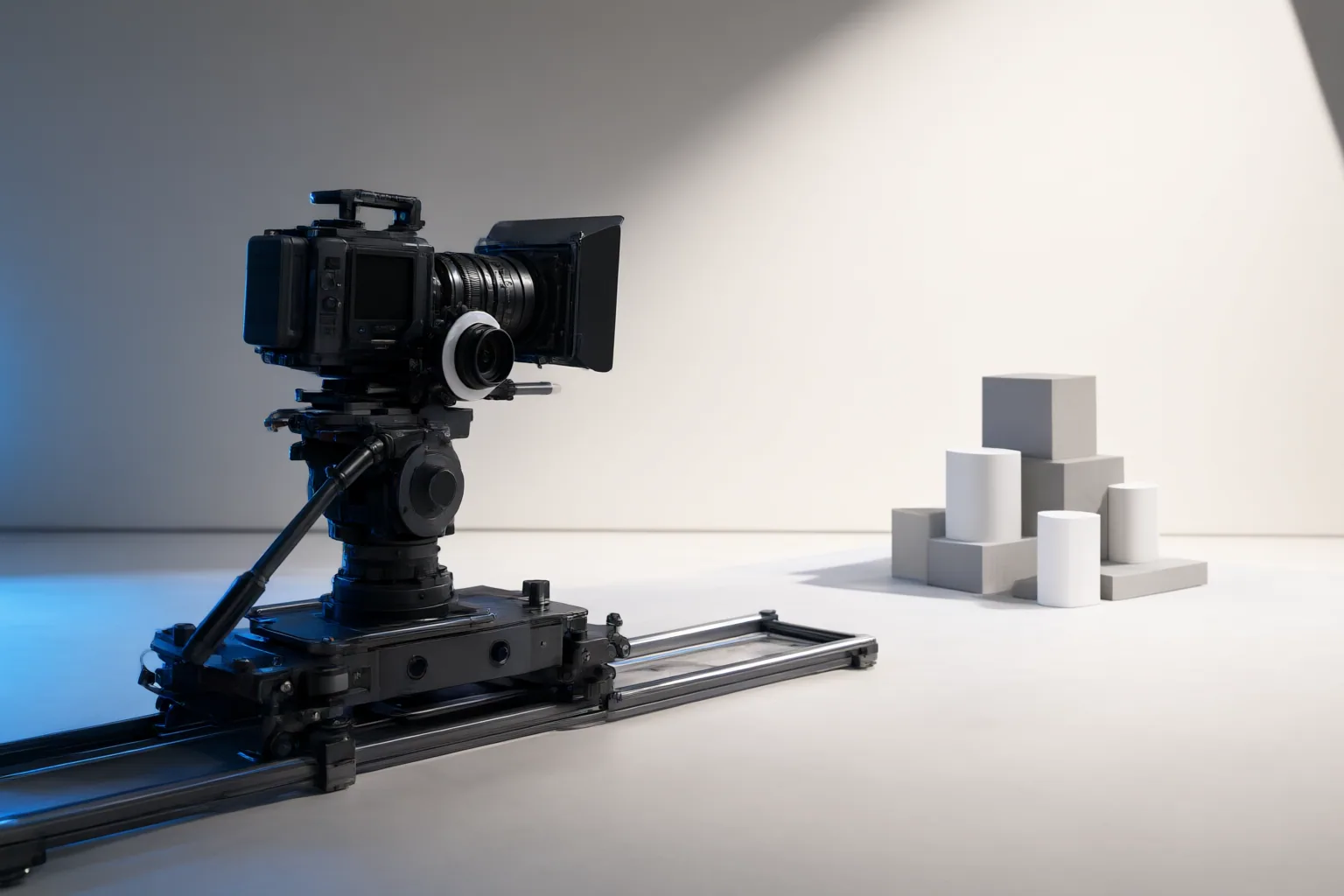
Evaluate combined moves as a set of separate variables. Physical motion-control systems distinguish axis configurations and can coordinate linear movement, rotation, and lens functions. Kessler says its lens-control motors can automate focus, iris, or zoom, while Axiiio describes configurations combining linear and rotational motion with lens-ring control and expanding from one axis to four.
Use those distinctions to inspect an AI result. For a complex move, note whether translation follows the expected direction, rotation remains coherent, and any apparent focus or zoom change occurs at the intended time. Then repeat the generation and compare each component independently. A visually impressive result is not necessarily a repeatable one if the motion combination, framing, or subject changes from run to run.
Consistency deserves extra scrutiny when clips must align in an edit or support multilayer compositing. Motion-control sources connect predictable, repeatable movement with compositing, but they do not establish equivalent performance for AI-video tools. Treat their terminology as a framework for what to measure, not as a benchmark or guarantee for any AI service.
Conclusion
Judge camera motion controls by observed consistency across repeated generations, not by preset labels alone. The strongest control for a workflow is the one that maintains an acceptable path, timing, framing, background, and subject—not merely one that offers the desired direction in a menu.
Before adopting a pan, tilt, or dolly control in production, choose one representative shot, save its inputs and settings, generate several repetitions, and document the differences. Use that comparison to decide whether the control is suitable for a standalone clip, matched editing, or compositing.
Disclosures and limitations
- This article was prepared with AI assistance from the supplied research package and content plan; vendor claims were not independently verified, and no controlled AI-video repeatability benchmarks were provided.
- No products, prices, ratings, or affiliate recommendations are presented. Any future commercial links should be clearly disclosed and independently verified.
Sources
- Motion control photography – Wikipedia — en.wikipedia.org
- Camera Motion Control — kesslercrane
- axiiio nano Camera Motion Control System — Axiiio
- Higgsfield Camera Controls – 50+ Cinematic AI-Motion Presets — Higgsfield
- Motion Control | MULTIDYNE ROBOTICS & MOTION CONTROL — MULTIDYNE ROBOTICS & MOTION CONTROL
- Grip Gear | Small Camera Motion Control Kits – Camera Slider | Mirco Dolly | 360 Panoramic Mount — gripgear.com
Improve this guide
Report a problem or suggest the next question
Submissions enter a private editorial queue. They are reviewed and deduplicated before any public update or new page is created.