
Sampler choice determines how a diffusion system removes noise, while step count determines how many denoising iterations it performs. Together, they influence processing time, visual detail, composition, and reproducibility—but no single combination is best for every model and prompt.
What samplers and step counts control
Diffusion image generation begins with noise and repeatedly transforms it toward an image. The sampler governs this denoising process, and the step count specifies the number of iterations. Different algorithms can therefore produce different textures, details, or compositions even when the prompt and seed remain fixed.
A scheduler controls how noise removal is distributed across the available steps. Some interfaces expose the sampler and scheduler as separate controls, while others combine their names. This interface difference matters when comparing settings: two options with similar sampler labels may still follow different denoising schedules.
The tradeoff between generation time and visual detail
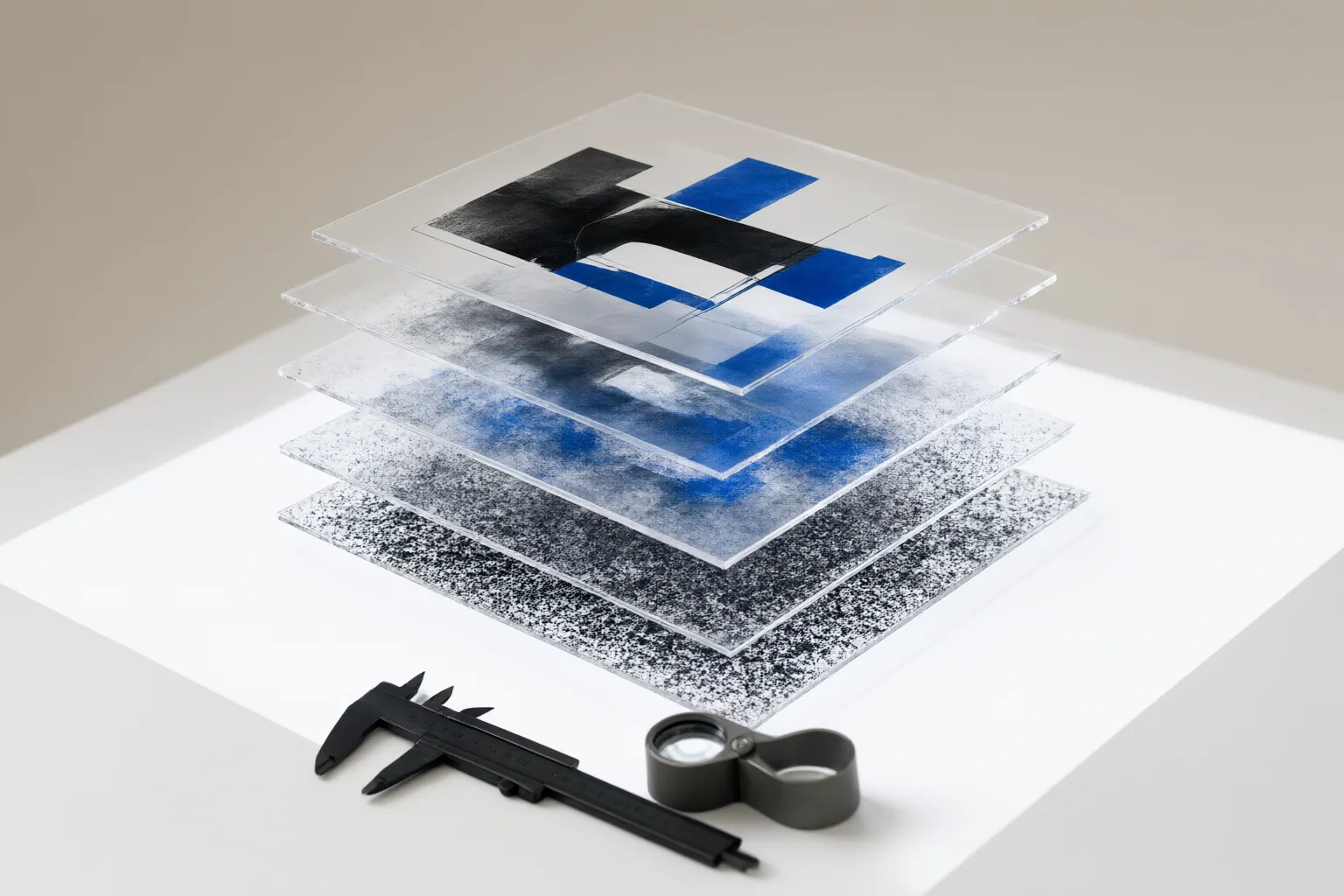
Using fewer steps generally reduces processing time, but an image may retain rough details or approximation artifacts if the sampler has not sufficiently converged. Adding steps gives the process more opportunities to refine the result, yet improvements can eventually plateau. Beyond that point, extra computation may produce changes that are difficult to perceive.
Sampler design affects where this balance falls. Higher-order solvers are intended to approximate the denoising path accurately with fewer steps than simpler first-order approaches, although actual results still depend on the model and prompt. Ancestral samplers behave differently because they introduce fresh noise during sampling. Their outputs may continue changing as steps are added, making fixed-seed results less reproducible than deterministic sampling.
These differences do not establish a universal speed winner, quality ranking, or optimal step count. The available sources provide instructional explanations rather than controlled benchmark data, so settings should be evaluated within the active workflow.

Two practical questions about choosing settings
A useful setting is the lowest step count that provides enough detail for the specific task, not the largest value an interface permits. Finding it requires a controlled comparison because changing the sampler, model, prompt, seed, or another control at the same time makes the effect of step count harder to isolate.
Common advice also has boundaries. Guidance strength can interact with step count, and one source reports that high guidance with few steps may create artifacts because large corrections have less opportunity to settle. Distilled few-step models require particular care: they are trained to generate with a small number of steps, so recommendations for standard diffusion models may not apply. Check the documentation for the specific model and interface before adopting a baseline.
Conclusion
Sampler choice and step count should be evaluated together for the model and prompt in use. Create a fixed-seed comparison grid while holding the other settings constant, then inspect where consecutive outputs become difficult to distinguish. Adopt the lowest step count that delivers sufficient detail as a working baseline, and repeat the comparison whenever you change the sampler or model.
Disclosures and limitations
- This article was prepared with AI assistance from the supplied secondary instructional sources. Claims were limited to those sources; model-specific settings should be checked against the relevant official documentation.
- No products are recommended here. If commercial or affiliate relationships are added later, they should be disclosed before publication.
Sources
- Complete Sampler Guide | Differences Between Euler, DPM++, and LCM — Prompt Lab
- Samplers and Step Counts: Choosing Speed or Detail — skillveris.com
- Understand sampling Methods and Step Counts — StudyRaid
- What is Sampling? Samplers and Schedulers Guide | Apatero — Apatero Blog – Open Source AI & Programming Tutorials
Improve this guide
Report a problem or suggest the next question
Submissions enter a private editorial queue. They are reviewed and deduplicated before any public update or new page is created.