Evaluate believable physics across the entire clip, not from a single polished frame. Watch for unexplained changes in motion, balance, contact, anatomy, object shape, position, and scene state.
Review the Whole Sequence, Not Just a Strong Frame
A convincing still image does not prove that a video has believable physics. Problems often emerge only during playback: feet may slide, acceleration may appear unmotivated, contact may break, or an object may change shape between frames.
Begin by watching the complete sequence at normal speed. Follow each person and object from the start of an action to its end. Their positions, shapes, motion paths, and relationships should remain coherent throughout the clip. When something changes, look for an observable cause. A sudden shift without a visible force or action is a warning sign, even if every individual frame appears attractive.
Check Motion, Balance, Anatomy, and Object Continuity
Use a consistent checklist when reviewing a shot:
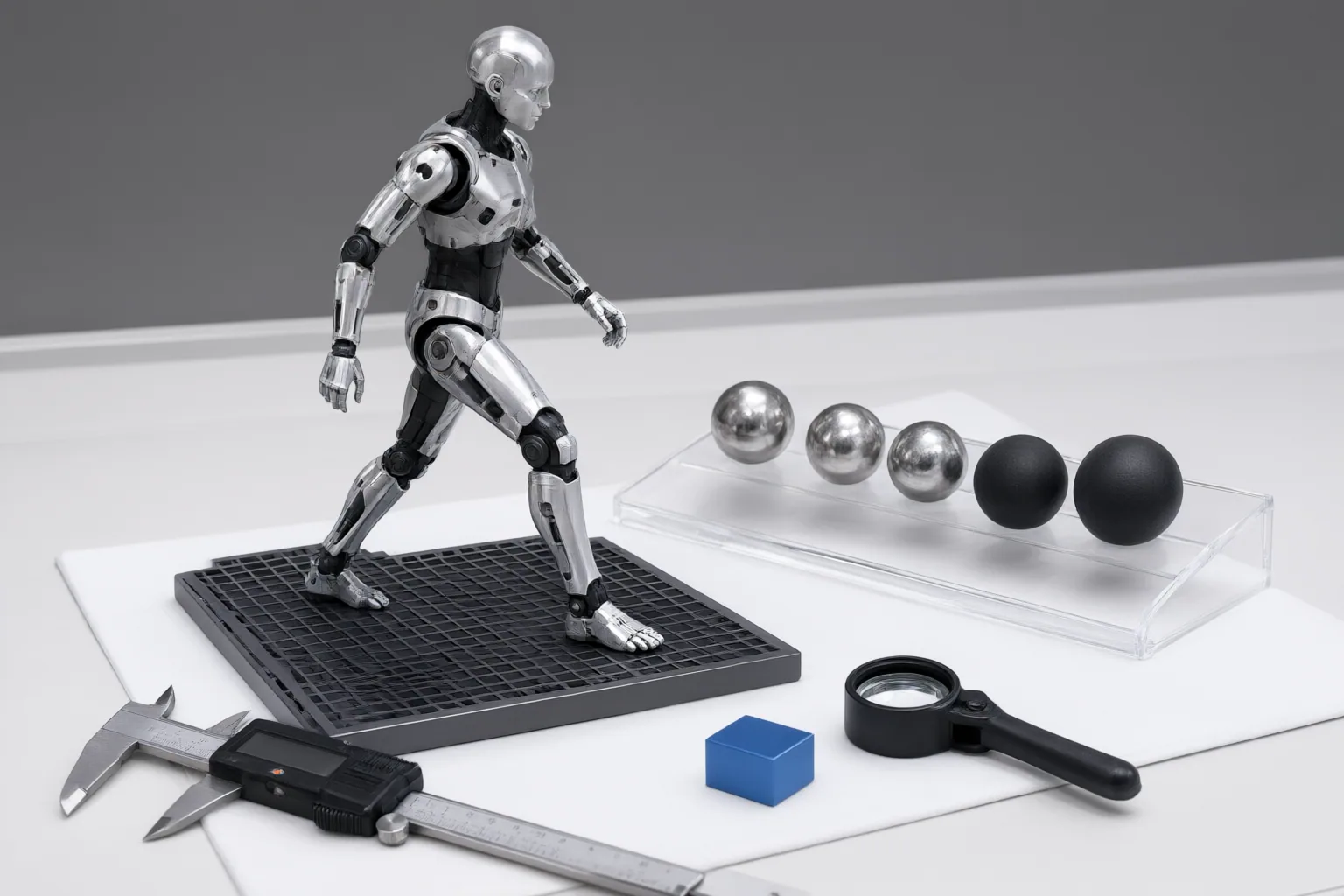
- Gravity and momentum: Falls, stops, turns, and acceleration should follow plausible paths rather than changing abruptly without a cause.
- Balance and collisions: Bodies and objects should respond believably when weight shifts or surfaces meet.
- Feet and joints: Feet should look planted when supporting weight, while limbs should stay anatomically connected and respect plausible joint limits.
- Hands and proportions: Watch for morphing fingers, unstable hand shapes, inconsistent grips, or changing body proportions.
- Props: Held or moving objects should preserve their volume, edges, and position unless an observable interaction changes them.
Pay particular attention to transitions. An object can look stable before and after an action while warping, clipping, or jumping during the movement itself.
Test Contact-Heavy and Complex Interactions
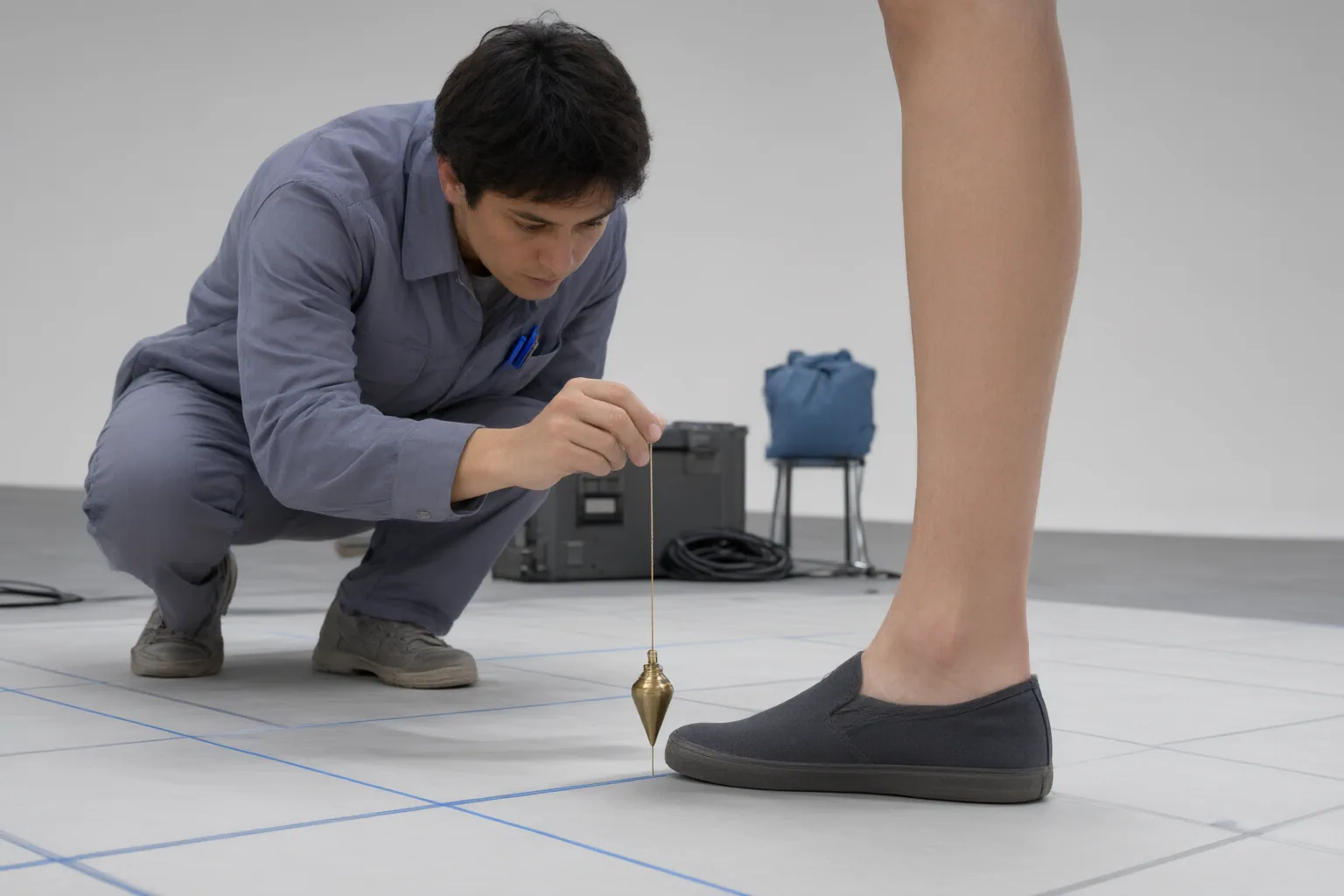
Judge contact according to the action’s context. A handshake requires two hands to approach, meet, move together, and separate coherently. A hand gripping a doorknob requires a different relationship: the fingers, palm, knob, and door should remain aligned while the grip and rotation develop.
Held props deserve similar scrutiny. Check whether the grip remains consistent and whether the prop clips through the hand, warps, or changes position without a corresponding movement. During collisions, verify that contact occurs at the expected moment and that the objects respond plausibly afterward.
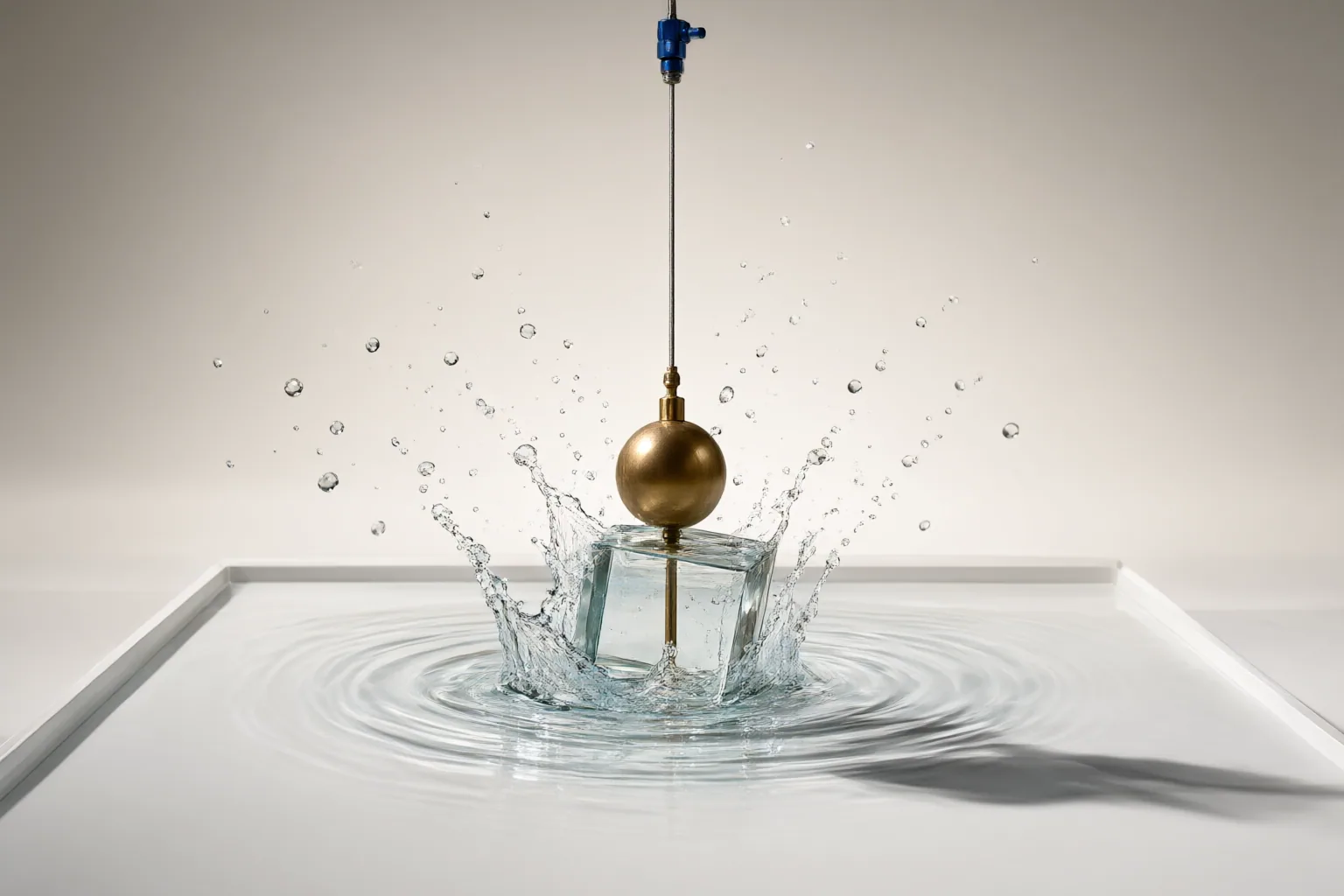
Liquids, cloth, and scenes containing several interacting objects are especially sensitive to small frame-to-frame inconsistencies. Review whether every element remains continuous while also responding plausibly to nearby surfaces, bodies, and objects. A minor break in contact or shape can weaken the realism of the entire interaction.
Conclusion
Make the evaluation repeatable. First, watch the clip once at normal speed and mark moments that feel wrong. Then inspect those moments frame by frame, tracking trajectories, points of contact, grips, shapes, and the state of the surrounding scene. Record every unexplained change and consider whether it disrupts the shot’s intended use.
Revise, regenerate, trim, or reject a shot when its errors are too distracting. As a final check, replay the clip at normal speed and frame by frame, note each unexplained change in motion, contact, or shape, and do not accept the shot if those errors undermine its purpose.
Disclosures and limitations
- This article was created with AI assistance and is based only on the supplied research package and its identified sources.
- No products are recommended in this article, and no affiliate relationship informed its guidance.
Sources
- Physics in AI Video: Can Models Simulate Real-World Motion? — happyhorsemodel.ai
- Smart Video Object Interaction: Create Believable Contact Between — reelmind.ai
- PrinciplePhysics — Believable AI, From Reasoning to Execution — principlephysics.github.io
Improve this guide
Report a problem or suggest the next question
Submissions enter a private editorial queue. They are reviewed and deduplicated before any public update or new page is created.