
Create one visual reference for the sequence, then compare every separate shot against it for light direction, relative brightness, tint, reflections, occlusion, and viewing angle. This is editorial guidance derived from established lighting principles, not a tested feature or guaranteed workflow for any AI model.
Define a Lighting and Color Reference Before Generating Shots
Before producing separate shots, document the intended light direction, relative brightness, tint, and stable object colors. Use that reference as a consistent comparison point throughout the sequence. This workflow is editorial guidance based on physical lighting principles; the supplied evidence does not establish that a particular AI model can store or reproduce these choices reliably.
A reference matters because illumination can alter the color that reaches the viewer. Although human color constancy helps an object's color appear relatively stable under changing illumination, continuity can still break when direct light, indirect light, local occlusion, or reflected light changes between shots. When reviewing an image, distinguish the object's intended color from the illumination affecting its appearance.
Match Tint and Chromaticity, Not Just Color Temperature
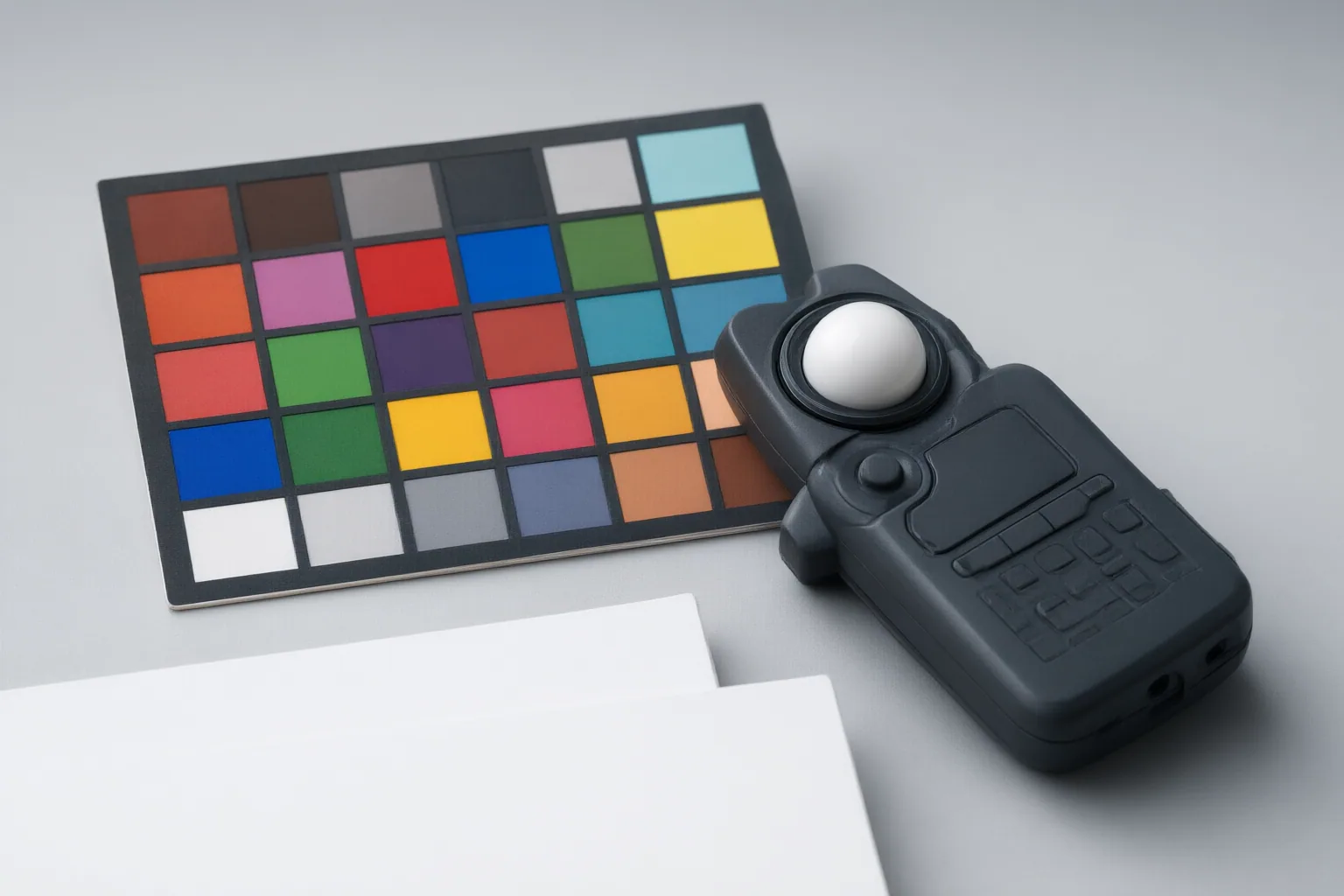
Do not treat matching nominal correlated color temperature as proof of a match. Two light sources with the same stated temperature can still differ visibly in chromaticity or tint. A source above the blackbody curve can appear green or yellow, while one below it can appear blue or pink.
As an editorial check, compare neutral areas, highlights, shadows, and stable object colors across shots. Look for green, pink, yellow, warm, or cool shifts instead of relying on a temperature label alone. This recommendation does not imply that a specific AI application exposes chromaticity controls or will obey them consistently. It simply translates the documented distinction between temperature and tint into a visual review practice.
Review Each Shot for Spatial and Optical Changes
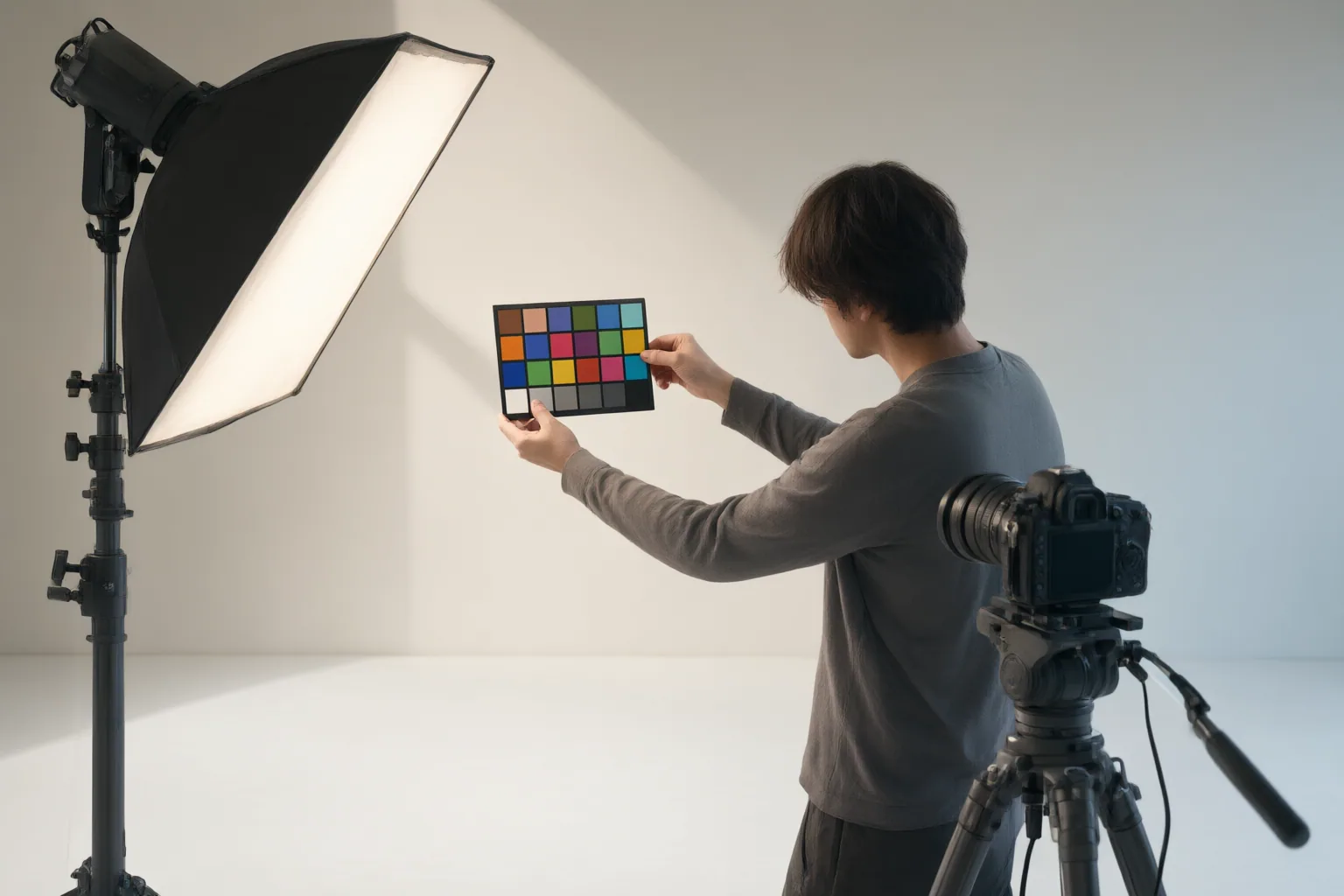
Review continuity shot by shot. First compare the direction and mixture of direct and indirect light. Then inspect local shadows and occlusion, reflected light, and whether changes in position make the illumination appear different. These factors can vary across space and time even when the intended subject color remains unchanged.
Also examine viewing-angle differences and optical treatment. Optical components can shift a resulting color point because light may be transmitted, absorbed, or reflected differently. Avoid reducing the review to one setting or score: initial color matching, angular uniformity, batch-to-batch variation, and long-term stability are related but distinct issues. Even a smaller SDCM tolerance, which generally indicates tighter initial chromaticity control, does not determine visibility by itself; viewing conditions, spacing, surrounding surfaces, adaptation, and the observer also matter.
Conclusion
A practical continuity pass has three parts: establish a visual reference, compare tint and chromaticity rather than relying only on nominal color temperature, and inspect illumination, reflections, occlusion, optics, and angle in every shot. The cited sources support these lighting and perception principles, but they do not verify a workflow for any particular AI model or application.
Create a reference sheet for your sequence now. Compare each new shot against it for direction, brightness, tint, reflections, and viewing-angle changes, correct the most noticeable mismatch, and complete one final comparison pass before assembling the cut.
Disclosures and limitations
- This article was created with AI assistance from the supplied research package. Its factual claims derive from the listed source IDs, while the proposed review process is editorial guidance rather than verified testing of an AI model or application.
- No products are recommended, and no affiliate relationship is asserted. The supplied sources include Wikipedia and a commercial lighting supplier, so their evidence should not be interpreted as independent AI-video testing.
Sources
- Color Uniformity and Consistency | Bridgelux, Inc. LED Lighting — bridgelux.com
- Color constancy – Wikipedia — en.wikipedia.org
- LED Color Consistency Guide: SDCM and MacAdam Ellipses — Top LED Lights Supplier & Lighting Manufacturer In China
- Color consistency in lighting products | Waveform Lighting — waveformlighting.com
- Color Consistency System6.0: Enabling Precise and Consistent Color Expression in Architectural Lighting — linkedin.com
Improve this guide
Report a problem or suggest the next question
Submissions enter a private editorial queue. They are reviewed and deduplicated before any public update or new page is created.