
Visible problems can be tracked across successive AI video extensions, but their appearance alone does not establish why they occur. A reliable evaluation separates recorded symptoms from proposed causes and compares every output with the original clip.
What It Means for Visual Errors to Accumulate
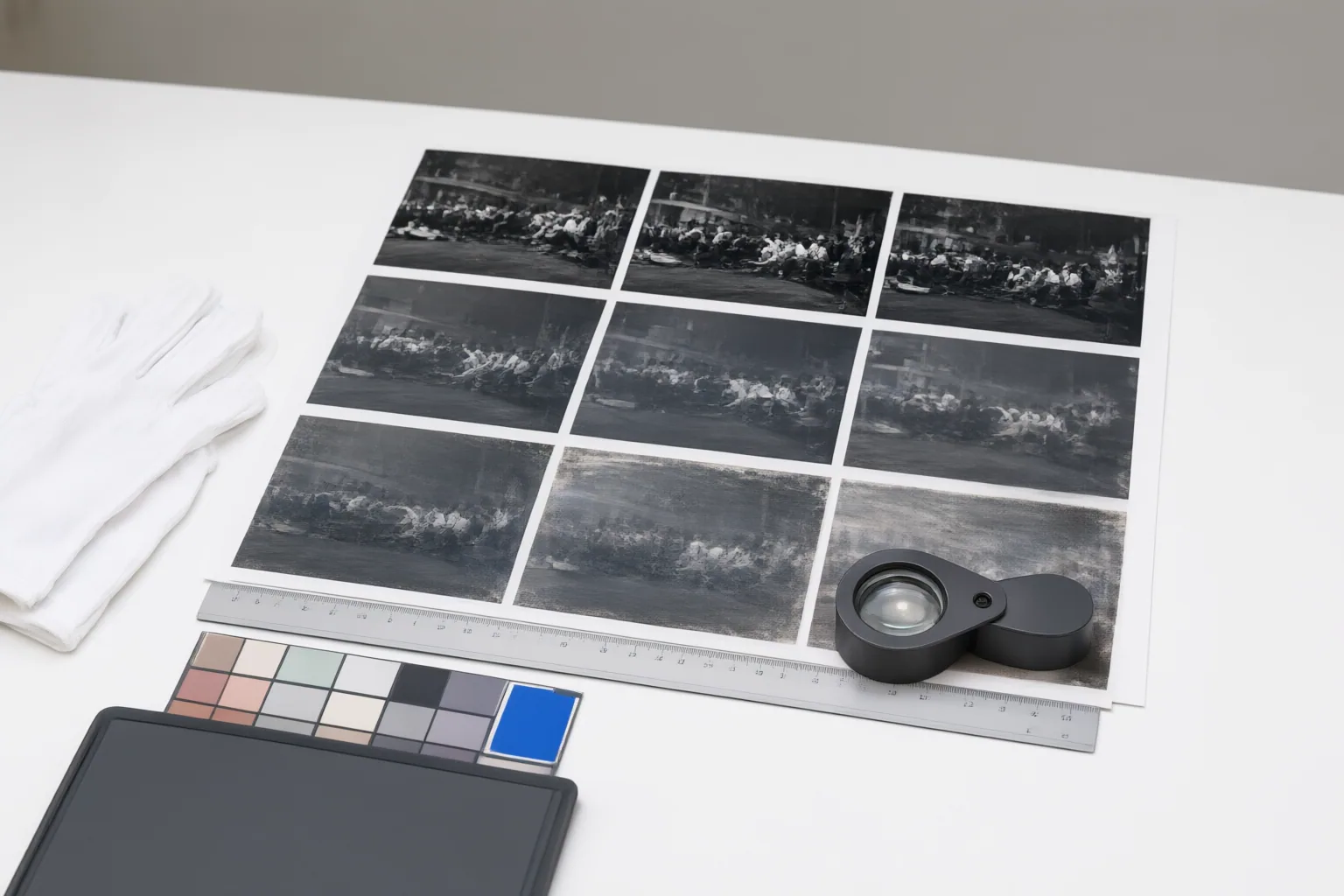
In practical terms, visual errors accumulate when a reviewer notices more visible problems across successive clip extensions. The useful question is observational: which problem appeared, and during which extension did it first become visible?
One cited source discusses “error accumulation” in validated data, where multiple validation failures are collected instead of processing stopping at the first failure. That concept can clarify the distinction between recording one problem and maintaining a list of several problems. It does not, however, explain AI-generated video or establish that any particular generation mechanism caused the visible changes. For video evaluation, treat accumulation as a description of recorded observations, not as a proven technical explanation.
Why a Visible Failure Does Not Identify Its Cause
A visible defect is evidence that something in an output deserves examination, but it does not necessarily reveal the cause. Microsoft makes a comparable diagnostic point in an unrelated software context: Visual C++ Redistributable return code 1603 is a generic installation failure and does not, by itself, provide enough information to diagnose what caused the failure.
This is a diagnostic analogy, not evidence about AI video. Its limited lesson is that a symptom and its cause are different claims. Seeing an altered object, unstable detail, or another visible problem in an extended clip may support documenting that observation. The supplied evidence does not support attributing it to a model architecture, an extension process, or any other AI-video mechanism.

How to Evaluate Repeated Extensions Step by Step
Start by preserving the original clip as the baseline. Keep every successive extension in order rather than assessing only the final output. Compare each version with the original and with the immediately preceding version, then record when every visible issue first appears.
Use consistent descriptions for observations and keep them separate from possible explanations. For example, an evaluation record can identify the extension number, the location or subject affected, and whether the issue remains visible later. This approach collects multiple observed failures in the broad sense illustrated by validated-data error accumulation, while avoiding the assumption that the list itself diagnoses a cause.
If several issues appear together, do not treat their timing as proof that they share a mechanism. As the generic-code example shows in its own software context, a failure indicator may be insufficient for diagnosis. Any causal conclusion about repeated AI video extension therefore requires directly relevant model documentation or controlled testing beyond these sources.
Conclusion
Extension-by-extension comparison can show whether visible problems appear or build across a sequence, but the cited materials do not establish why an AI video system would behave that way. They support two narrower distinctions: multiple errors can be collected, and observing a failure does not necessarily diagnose its cause.
Compare every extension with the original clip, record the first appearance of each visible problem, and consult directly relevant model documentation or controlled tests before assigning a cause.
Disclosures and limitations
- This article was prepared with AI assistance from the supplied research package. Its sources concern validated-data error collection and Visual C++ installation diagnosis, not AI-video extension mechanisms; no product recommendation or affiliate relationship is presented.
Sources
- Troubleshoot Visual C++ Redistributable Installation Problems — learn.microsoft.com
- Validated Data: Accumulating Errors and Combining Validations in Functional Programming — Software Patterns Lexicon
Improve this guide
Report a problem or suggest the next question
Submissions enter a private editorial queue. They are reviewed and deduplicated before any public update or new page is created.