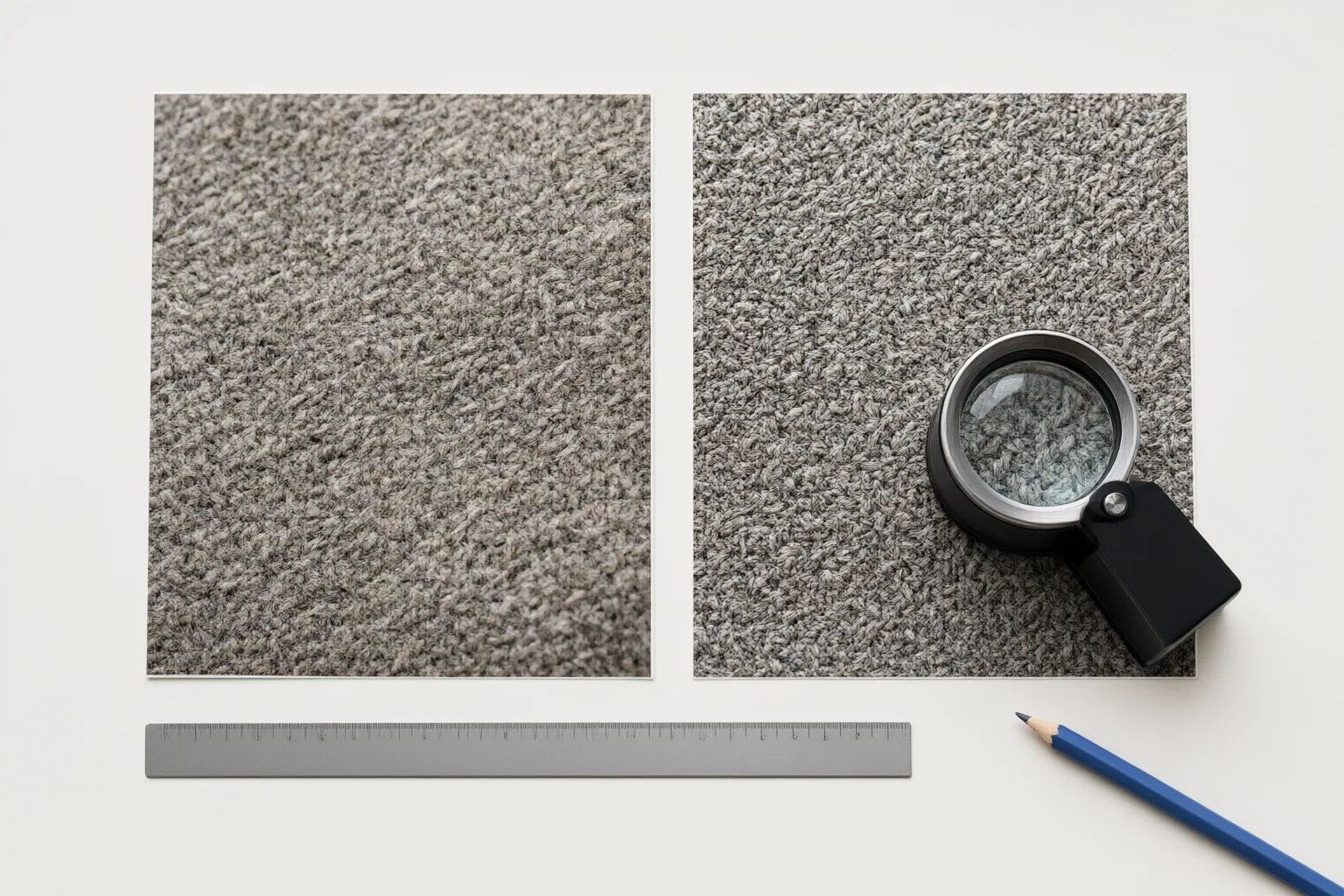
You usually cannot tell from appearance alone whether an AI image tool generated new detail or only sharpened and enlarged existing content. Compare the edited file with the earliest available source, then combine provenance, metadata, reverse image search, localized visual review, and any detector result into a confidence judgment—not a claim of proof.
What Sharpening, Enlargement, and Generated Detail Can Look Like
Realistic-looking detail may come from the source, enhancement, or synthesis, and the finished appearance may not reveal which process occurred. The supplied guidance therefore does not support classifying an edit solely because it looks unusually crisp or convincing.
The question can also be local rather than image-wide. An otherwise authentic product photograph might contain a generated background or another altered region. A single “real” or “AI” label can hide that distinction, so assess individual areas and changes instead of assuming that every part of the image has the same origin. Visual inspection can identify reasons for further scrutiny, but it cannot reliably establish whether plausible detail was preserved, enhanced, or invented.
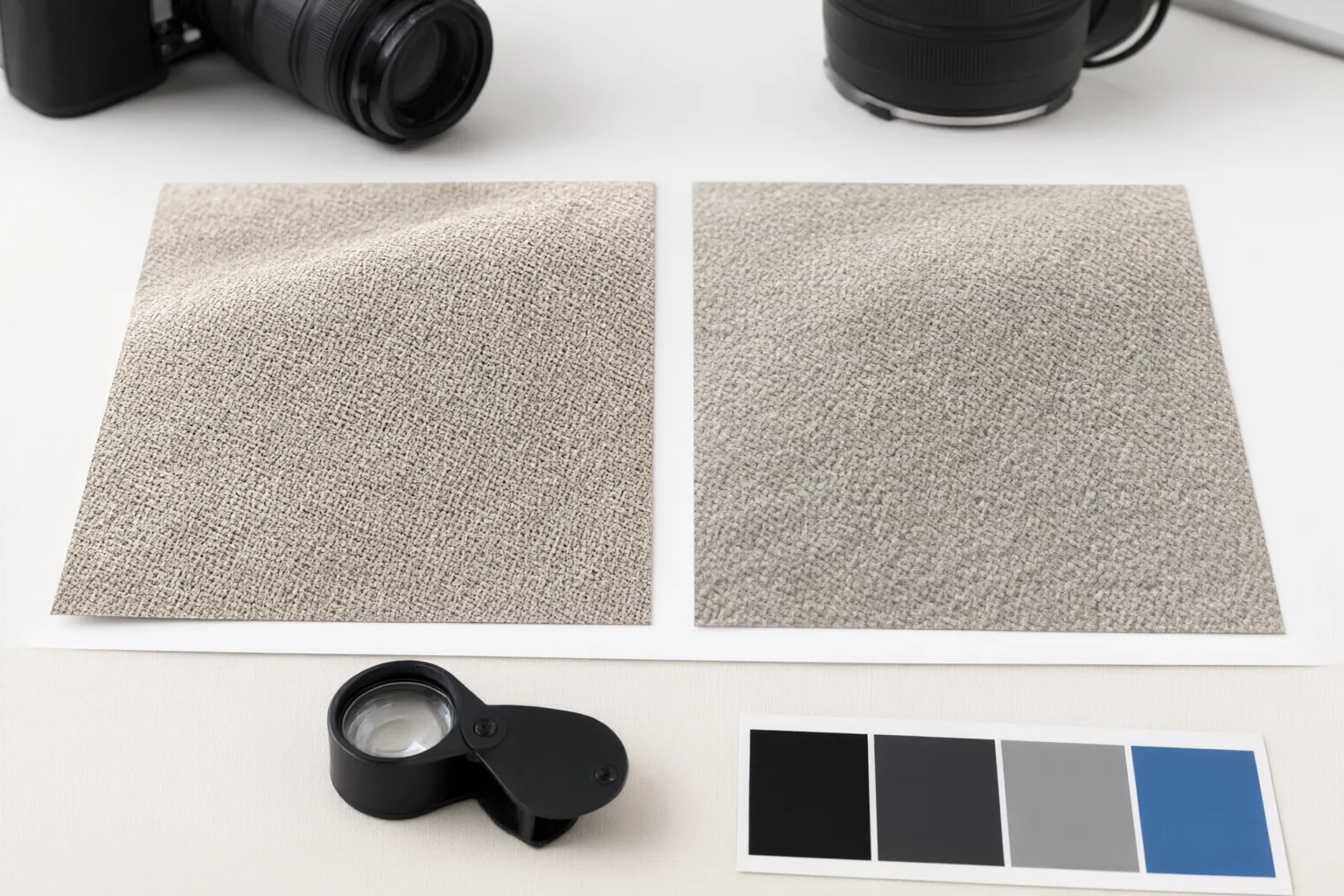
Start With the Original and Check Provenance
Begin with the original file or earliest version you can locate. Compare it with the edited image and note where content changed. If no source file is available, reverse image search may uncover an earlier public copy, although it may miss private or newly published material.
Next, inspect provenance records. Content Credentials based on C2PA may describe an image’s origin, editing history, creation method, and disclosed use of generative AI. A valid credential can therefore support a conclusion that generation occurred during editing. Its absence proves nothing: credentials and other metadata may never have been present or may have been stripped by a platform.
Review ordinary metadata for supporting clues such as camera, software, and timestamp information, but do not rely on it alone because metadata can be removed or edited. Record what each source shows, what is missing, and which localized changes remain unexplained.
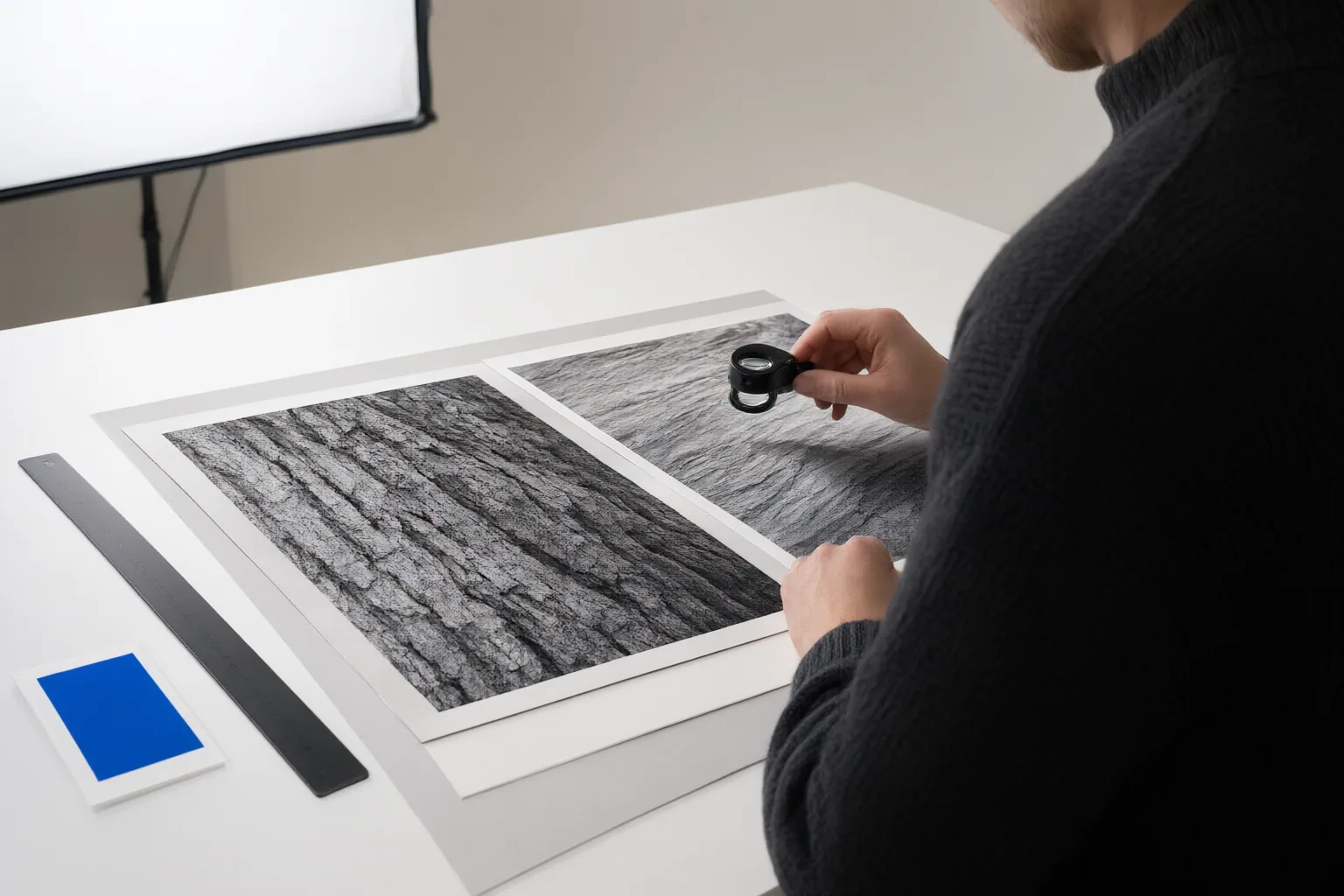
Evaluate Visual Clues Without Treating Them as Proof
Examine changed regions for inconsistencies involving text, reflections, backgrounds, lighting, or repeated patterns. These artifacts can support an assessment, especially when they appear only in the edited version. Their presence is a clue rather than conclusive evidence, however, and modern AI systems may produce images without obvious visual mistakes.
Keep each signal in proportion. A suspicious reflection does not by itself establish generation, just as a clean-looking region does not establish that all detail came from the original. Generic AI-detector scores can also produce false positives or false negatives. Unless a detector explains its method and evidence, treat its result only as another signal.
The strongest available assessment combines the source comparison, provenance, metadata, reverse-search findings, localized visual changes, and detector output. Note whether those signals agree or conflict before assigning a confidence level.
Conclusion
No single clue described in the supplied guidance provides a definitive verdict. In particular, the sources do not establish a validated pixel-level test that reliably separates ordinary sharpening or enlargement from newly synthesized detail. A defensible conclusion should state the available evidence, its limitations, and the resulting confidence rather than presenting appearance, missing metadata, or a detector score as proof.
Preserve the edited file and the earliest source you can obtain, compare them region by region, inspect their provenance and metadata, and document a confidence-based conclusion alongside the evidence.
Disclosures and limitations
- This article was prepared with AI assistance from the supplied research package and should be evaluated within the stated evidence limits.
- Material claims are attributed through the listed source IDs. The supplied sources are publisher-authored guidance rather than independent standards documents, peer-reviewed research, or original tool documentation.
Sources
- AI-Generated vs Real Photos — How to Tell the Difference in 2026 | Scanly — Scanly.co
- Is This Image AI Generated? — creatok.ai
Improve this guide
Report a problem or suggest the next question
Submissions enter a private editorial queue. They are reviewed and deduplicated before any public update or new page is created.