
Evaluate physical realism in two passes: first examine how each material interacts with light, then check whether its weight, momentum, deformation, secondary motion, and environmental responses look coherent.
Use a two-pass physical realism check
A polished surface does not guarantee believable motion. Begin with an appearance pass. Examine reflectivity and roughness, along with transparency, refraction, or subsurface scattering when they are relevant to the material. Look for visual properties that remain coherent as the subject, material, camera, or lighting changes.
Next, review motion independently. Ask whether objects and materials appear to have weight, maintain momentum, deform appropriately, continue moving after the main action, and react to impacts or their surroundings. Warning signs include motion that seems weightless, incorrect object arcs, clothing that remains motionless, or impacts that produce no bodily response.
This method combines practical recommendations from two vendor-authored sources. It is an evaluation framework, not a controlled benchmark or a basis for ranking video models.
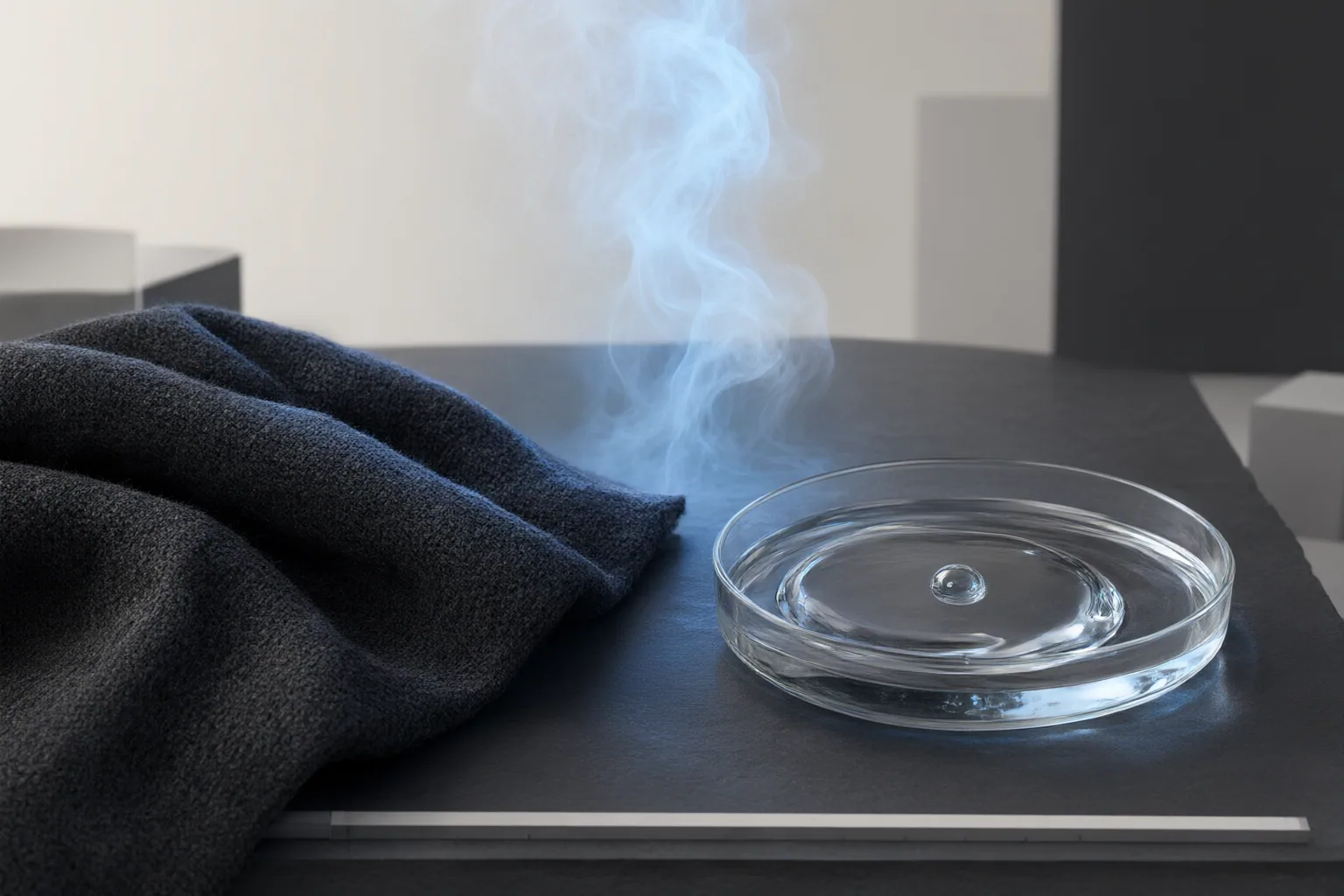
Check liquid shape, droplets, and splash motion
For liquid scenes, pause around the main action and inspect both the liquid’s structure and its movement. Check whether individual droplets are visible when the scene calls for them, whether their edges are clearly defined, and whether a splash follows a coherent arc. These details are especially relevant when the intended look resembles high-speed photography.
Then watch the sequence at normal speed. The liquid should convey momentum rather than forming an attractive but disconnected shape. Compare the splash with the action that caused it and look for an appropriate response in the surrounding scene. For transparent liquid, also inspect transparency and refraction as lighting conditions change.
Treat these as diagnostic observations rather than proof of a model’s overall performance. The supplied sources contain no controlled liquid tests, numerical realism scores, or cross-model comparisons.
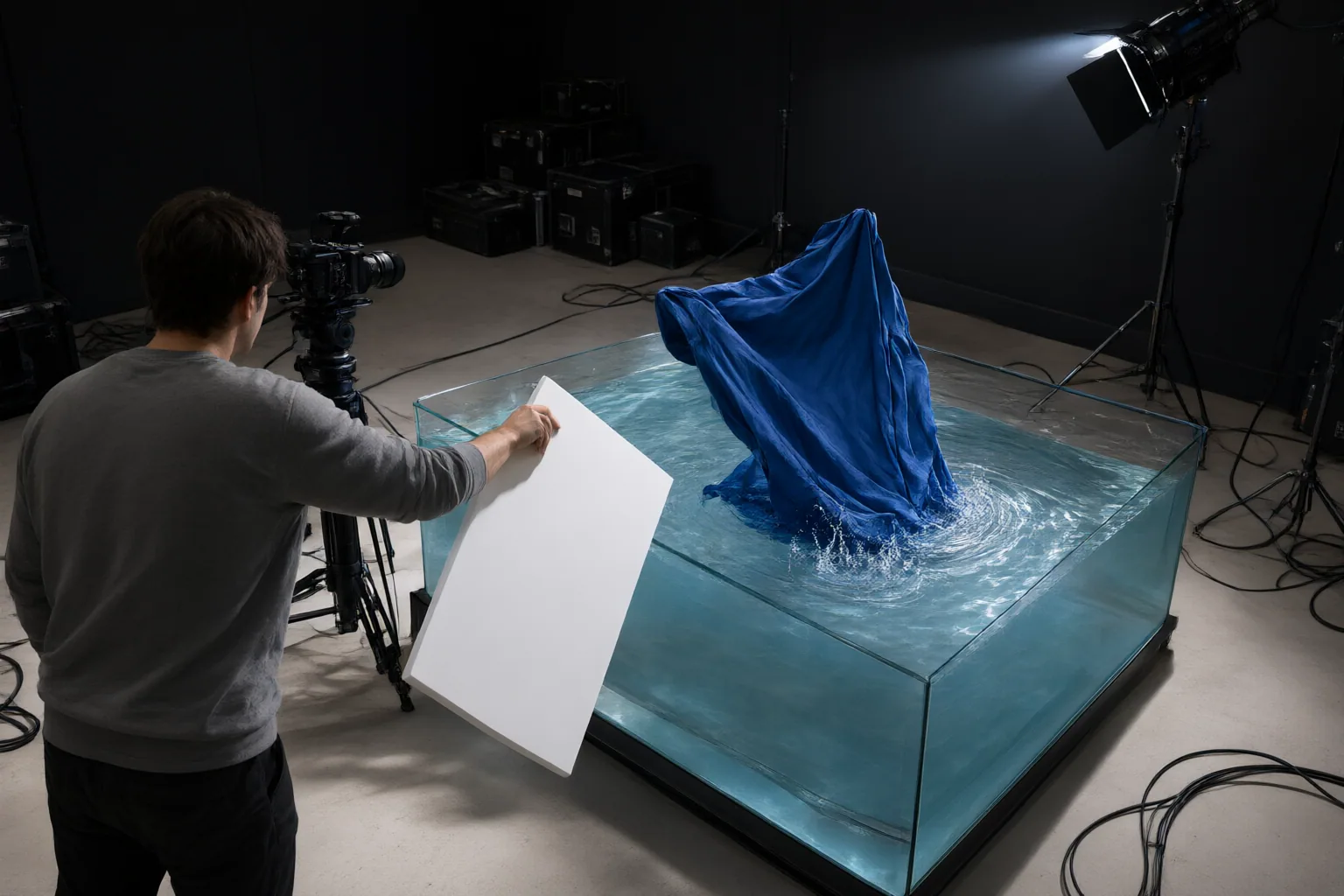
Assess cloth weight—and treat smoke cautiously
Evaluate cloth by connecting its appearance to its implied weight. Heavy velvet and lightweight chiffon should not be expected to move in the same way. After checking surface qualities and light interaction, examine the fabric’s drape, response to the primary action, and continued movement. Cloth that freezes while its wearer moves, or fabric whose motion seems inconsistent with its weight, can make an otherwise polished scene feel implausible.
Secondary motion is particularly useful: observe what happens after a turn, stop, impact, or other main action. The fabric should continue responding rather than behaving as a fixed texture.
For smoke, use only the broader two-pass method: inspect its visible material and lighting behavior, then examine whether its motion and environmental interaction remain coherent. The supplied evidence does not provide a dedicated smoke-physics framework, so it does not support more specific smoke criteria or performance claims.
Conclusion
Make the review repeatable. First identify the material and inspect how it interacts with light. Next, check apparent weight, momentum, and deformation. Then look for follow-through, secondary motion, impact reactions, and responses between the subject and its environment.
Record the most visible failure instead of labeling the entire clip “unrealistic.” A liquid may have convincing transparency but an implausible splash arc; cloth may have a credible surface but no weight or continued motion. Separating these problems makes the next revision more specific.
Apply the process now to one generated clip: watch it once for surface and lighting behavior, watch it again for motion and environmental response, and revise the scene description around the clearest observed failure.
Disclosures and limitations
- This article was prepared with AI assistance from the supplied vendor-authored sources. It does not report independent testing, quantitative realism scores, model rankings, or personal product use.
Sources
- How to Make AI Videos Look Real: A Beginner's Guide to Motion Physics (50 Real Prompts) – Atlabs AI) — atlabs.ai
- Decoding Textures: Describing Materials for AI Realism — Hailuo AI
- Philosophical realism – Wikipedia — en.wikipedia.org
Improve this guide
Report a problem or suggest the next question
Submissions enter a private editorial queue. They are reviewed and deduplicated before any public update or new page is created.