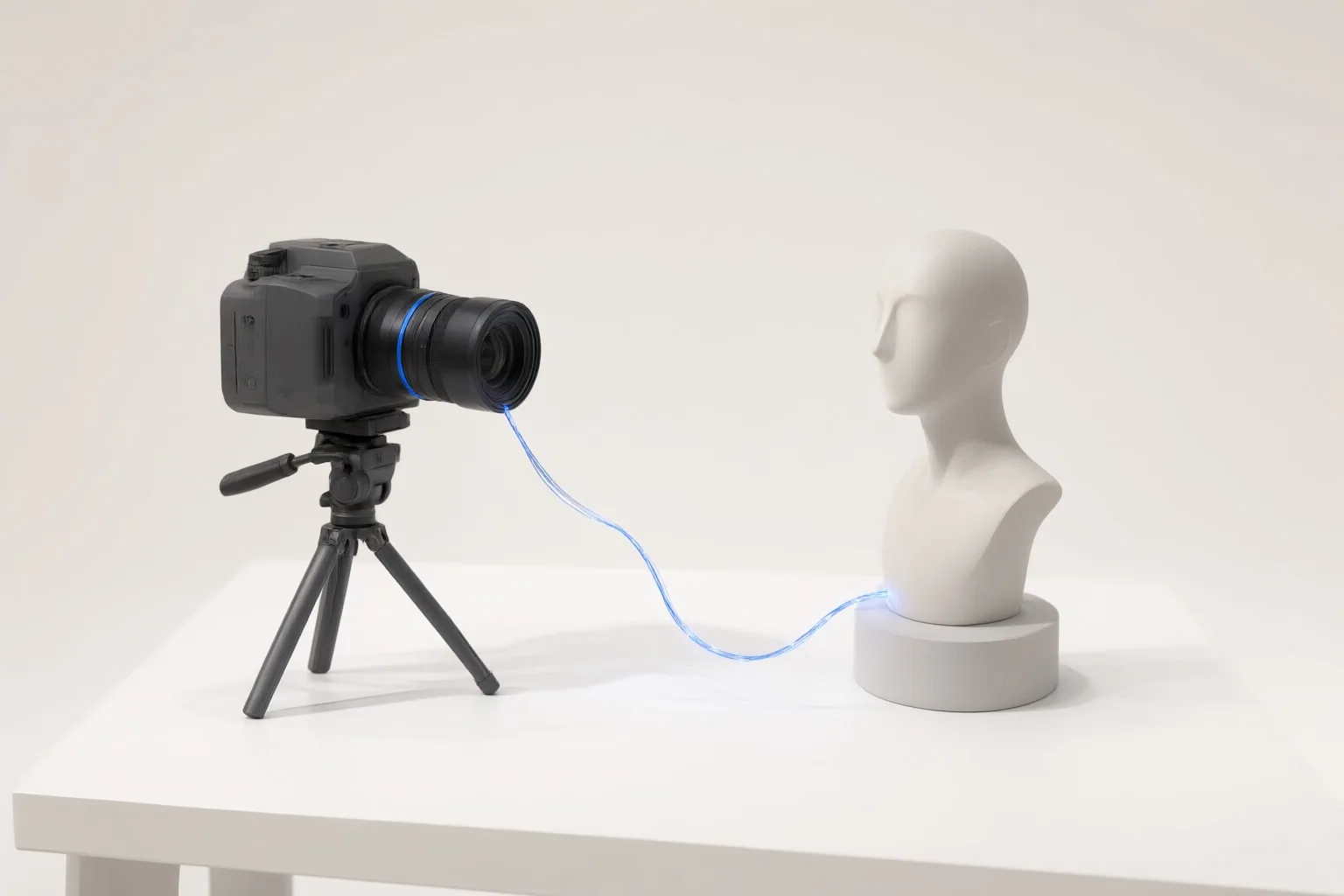
Runway Act-One was a character-animation feature in Gen-3 Alpha. Runway now says the feature is no longer available: Gen-3 Alpha retired on July 8, 2026, and Gen-3 Alpha Turbo on July 30, 2026. This article explains the former workflow and points to Runway’s current alternatives.
What Runway Act-One Was and Who It Served
Runway’s original introduction described Act-One as a way to transfer an actor’s recorded video and voice performance to a character in Gen-3 Alpha. That description explains what the retired feature did; it is not a current setup guide.
Runway contrasted its former method with facial-animation pipelines that use motion-capture equipment, multiple footage references, or manual face rigging. These are Runway’s historical product claims, not results from an eWiki test. A creator looking for character animation now should check Runway’s current Apps documentation and available models.

How the Former Performance-to-Character Workflow Worked
Historically, Act-One took a recorded actor performance and a reference image representing the target character. Runway said the model could transfer facial expressions even when the character’s proportions differed from the actor’s. This describes the retired Gen-3 Alpha workflow.
Runway’s launch article described exploring dialogue scenes made with one actor performing multiple characters and claimed realistic results across camera angles. Those were Runway’s historical product descriptions, not evidence about the output of current Runway models.
Do not follow old Act-One upload instructions for a new project. Runway’s current Help Center says Act-One is unavailable and lists task-specific replacements. See the linked retirement notice in Sources, then consult the current documentation for the replacement you choose.

Current Runway Alternatives and Practical Checks
For text-to-video or image-to-video, Runway’s retirement notice points to Gen-4.5. For keyframe work, it points to Animate Frames; for video-to-video editing, it points to Edit Studio Aleph 2.0. These are Runway’s task mappings, not a claim that any replacement recreates Act-One’s performance-transfer behavior.
For a new project, first decide whether the task is generating a clip from text or an image, animating keyframes, or editing an existing video. Next, open Runway’s current documentation for the matching replacement and check access in your account. Then make a small, rights-cleared trial and review the complete result against your scene. These steps are editorial guidance, not a claim that eWiki tested the tools.
Runway’s Act-One introduction described public-figure blocking, Custom Voices rights checks, and misuse monitoring for that former release. Do not assume those exact safeguards or account terms carry over to a replacement. Check the current tool’s documentation and your rights to any performance, voice, image, or footage before use.
Conclusion
Act-One is useful to understand as a historical example of performance-driven character animation, but it is not a currently available option. Runway’s Help Center retirement notice supersedes the availability wording in its older launch article.
For work today, use the task list above to choose a current Runway tool, then check its documentation and your account’s current plan terms. Act-One itself is retired, so do not plan a new project around it.
Disclosures and limitations
- This article was prepared with AI assistance using Runway’s historical launch page and current Help Center retirement notice; it does not report hands-on product testing.
- No comparative product recommendation is made here. Product links should be checked for any affiliate labeling before purchase, and access or plan terms should be verified directly with Runway.
Sources
- Runway Research | Introducing Act-One — runway.com
- Runway Help Center | Act-One retirement notice — help.runwayml.com
Improve this guide
Report a problem or suggest the next question
Submissions enter a private editorial queue. They are reviewed and deduplicated before any public update or new page is created.