
An ElevenLabs vs PlayHT guide to their documented text-to-speech workflows, controls, streaming, and practical evaluation for narration revisions.
ElevenLabs vs PlayHT: What the Documentation Supports
This comparison describes provider documentation. Current PlayHT account access, API availability, and pricing were not independently verified. Confirm access with the provider before planning a production integration.
The official guides describe different starting points. ElevenLabs documents a browser workflow: enter text, select a voice, optionally adjust settings, and generate audio. PlayHT documents an API quickstart built around dashboard credentials, optional SDK installation, and a speech request that returns streamed audio.
That difference does not establish an overall winner. It provides a useful way to organize an evaluation: ElevenLabs’ guide emphasizes voice, model, and setting choices, while PlayHT’s guide emphasizes authentication and programmatic output.
As an editorial suggestion, begin by writing down the required workflow. A creator working directly with passages may prioritize interactive controls; a development team may prioritize integration and audio handling. If both matter, evaluate them separately rather than reducing the decision to one score.

ElevenLabs Voice, Model, and Language Choices
ElevenLabs ranks voice selection as the largest influence on output, followed by model selection and model settings. The documented choices include default and library voices, voices made with Voice Design, and instant or professional voice clones. The provider also says source audio affects a cloned voice and advises using a voice associated with the intended language and accent.
A suggested comparison is to prepare one representative passage and keep its wording fixed while trying a small set of suitable voice-and-model combinations. Include proper names, changes in emotion, and longer sentences if those elements occur in the real project. This is a proposed evaluation method, not a promise of a particular result.
Record each combination and the reason it was accepted or rejected. That practice is suggested to make later revision decisions easier; it is not a documented product capability.
Controls and Revision Planning in ElevenLabs
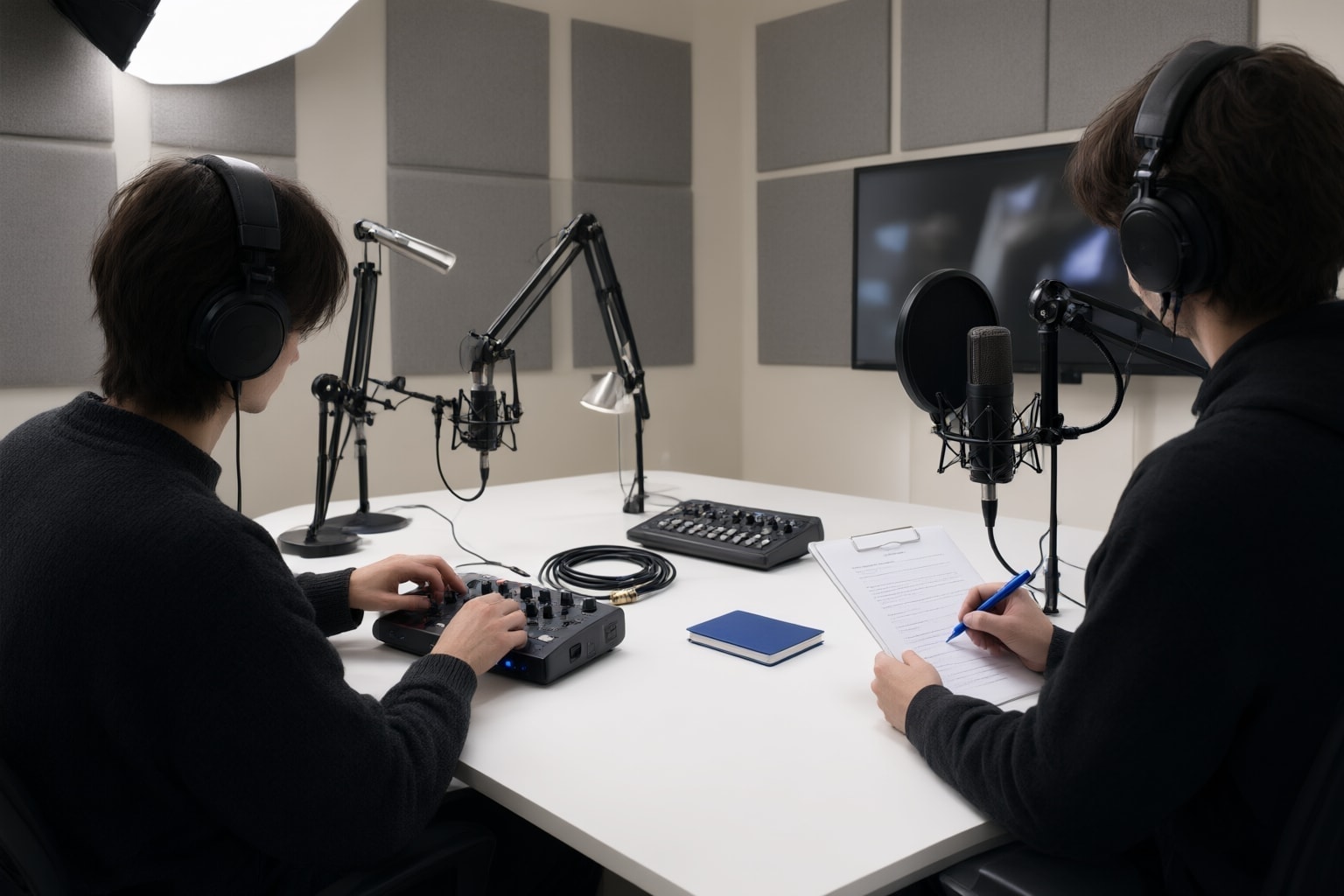
ElevenLabs states that generation is non-deterministic, so reusing the same voice, model, and settings can still produce a different delivery. Its stability setting influences variation between generations. The documented speed range is 0.7 to 1.2, with 1.0 making no speed adjustment; extreme values may affect quality, and speed is unavailable for Eleven v3.
For revision-heavy narration, a practical suggestion is to retain the approved script, generated file, voice, model, and settings together. When wording changes, compare the replacement in the surrounding passage and listen for cadence, energy, and boundary differences. These checks may help an editor choose a take, but they do not guarantee a seamless match.
Another suggestion is to write numbers as words when pronunciation matters. ElevenLabs specifically recommends avoiding digits and symbols because their interpretation can be ambiguous, particularly across languages.
PlayHT’s Documented API Path
PlayHT’s quickstart directs developers to generate a user ID and API key in its dashboard. It shows optional JavaScript and Python SDK installation, a Node.js streaming example, and a cURL request that saves MP3 output. The page also describes input streaming for LLM integrations and links to guidance for latency and Twilio streaming.
For evaluation, a suggested prototype should cover credential handling, a representative speech request, consumption of streamed chunks, file creation, and the application’s response to an unsuccessful request. These are proposed engineering checks, not provider guarantees.
The quickstart also describes instant voice cloning through the API Playground or API using 30 seconds of speech. If cloning is considered, the practical recommendation is to use only material the project is authorized to use and to review the provider’s applicable terms before proceeding.
Conclusion: A Practical Selection Method
For an interactive narration workflow, ElevenLabs is a reasonable first candidate to evaluate because its official guide documents text entry, voice selection, model choice, and adjustable generation settings. If current PlayHT account and API access are independently confirmed, its documented credentials, requests, and streaming path can inform a prototype for programmatic speech. Until then, treat the quickstart as documentation rather than an available integration. These are editorial recommendations based on the documented workflows, not findings about universal quality.
The practical recommendation is to test the same representative script and the same correction scenario in every suitable workflow. Define acceptance criteria before listening—for example, intelligibility, delivery fit, correction effort, and compatibility with the intended application. Keep the criteria project-specific and avoid treating a single polished sample as decisive.
Choose only after reviewing complete passages and repeating at least one realistic revision cycle. That process is suggested because the primary intent is narration and voiceover revision, where editing behavior matters alongside the initial generation.
Sources
Disclosure
This article was prepared with AI assistance.
Improve this guide
Report a problem or suggest the next question
Submissions enter a private editorial queue. They are reviewed and deduplicated before any public update or new page is created.